
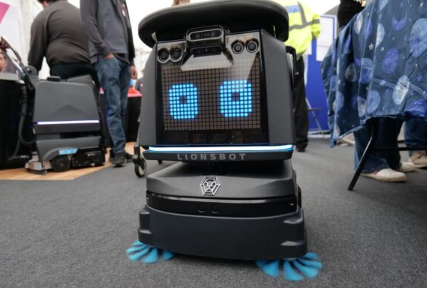
How Robots Are Used in the Cleaning Industry
Robotics is rapidly transforming the cleaning industry. From autonomous vacuum cleaners to advanced floor scrubbers, robotic technology is improving efficiency, consistency, and safety across a wide range of environments.
As demand grows for smarter, more sustainable solutions, robots are becoming an integral part of modern facilities management.
How Robots Are Used in Cleaning
Cleaning robots now support a variety of tasks across commercial and industrial settings:
- Floor Cleaning: Autonomous scrubbers and vacuums clean large areas such as offices, airports, and shopping centres with minimal supervision.
- Window Cleaning: Robotic systems safely clean high-rise glass surfaces, reducing the need for working at height.
- Waste Management: AI-enabled robots help sort and manage waste streams more efficiently.
- Disinfection: Robots using UV-C light or electrostatic systems disinfect spaces quickly and effectively, particularly in healthcare environments.
As a result, organisations can maintain higher standards while reducing manual workload.
Key Benefits of Cleaning Robots
Robotic cleaning technology offers several advantages.
Efficiency and Productivity
Robots operate continuously and handle repetitive tasks, allowing teams to focus on more complex cleaning requirements.
Consistency and Accuracy
Because robots follow programmed routes, they deliver reliable and repeatable results every time.
Improved Safety
In high-risk environments, robots reduce exposure to hazards such as chemicals, heights, and contaminated areas.
Long-Term Cost Savings
Although initial investment can be higher, robots help reduce labour costs and improve operational efficiency over time.
Environmental Benefits
Many robotic systems use less water and fewer chemicals, supporting sustainable cleaning practices.
Challenges to Consider
However, businesses should also consider some limitations:
- Higher upfront investment costs
- Ongoing maintenance and technical support
- Training requirements for staff
- Limited flexibility in complex or unpredictable environments
Because of this, robots work best as part of a wider cleaning strategy rather than a complete replacement for human operatives.
Where Cleaning Robots Are Used
Robotics is already widely used across key sectors:
- Airports and shopping centres for large-scale floor cleaning
- Healthcare facilities for infection control and disinfection
- Hotels and hospitality for maintaining guest areas
- Warehouses and industrial sites for large, open environments
In these settings, robots help maintain consistent standards while improving efficiency.
The Future of Robotics in Cleaning
Looking ahead, robotics will continue to evolve.
- Smarter AI systems will allow machines to adapt and learn
- Human-robot collaboration will become the standard model
- Customised solutions will suit different industries and environments
- Greater sustainability will drive lower chemical and water usage
As a result, robotics will play an increasingly important role in modern cleaning operations.
Pioneer FM’s Approach
At Pioneer FM, we combine advanced technology with skilled operatives to deliver efficient, high-quality cleaning services. While robotics enhances productivity, experienced teams remain essential for delivering detailed, responsive cleaning across complex environments.
We support defence, government, and high-security sites as part of our sustainable facilities management services across the UK.
Conclusion
Robotic cleaning is no longer a future concept — it is already transforming the industry. However, the most effective approach combines technology with human expertise to deliver safe, consistent, and high-quality results.
Get a cleaning quote from Pioneer FM and discover how our modern, fully managed services can support your organisation.