
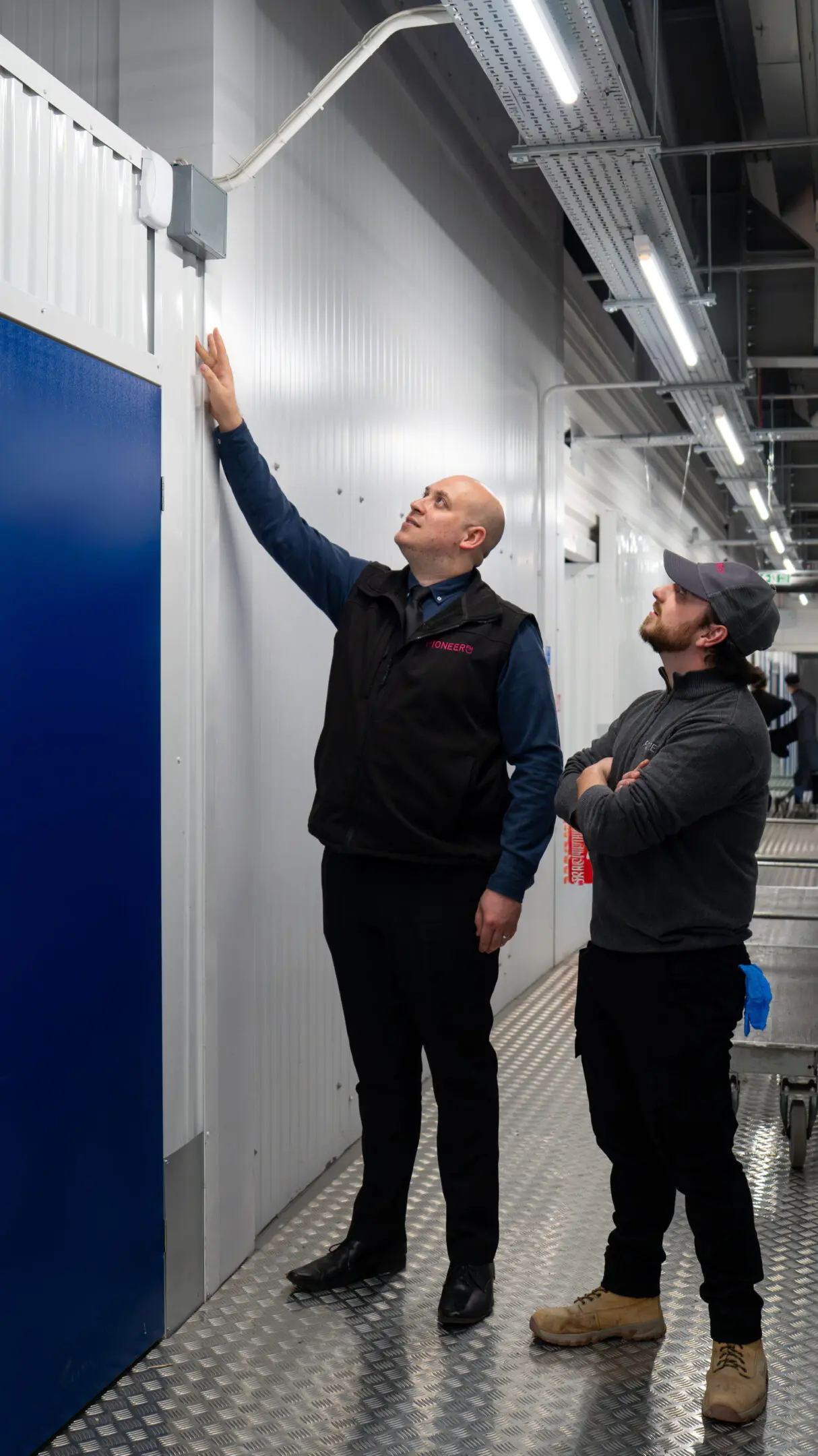
Do You Still Need PPM if You Have an In-House Maintenance Team?
Many organisations believe that having an internal team removes the need for a structured approach. However, when comparing PPM vs in-house maintenance, the reality is very different.
While in-house teams are essential, they rarely provide the full compliance structure required to manage a building safely and effectively.
What Does an In-House Maintenance Team Handle?
In-house teams play a vital role in daily operations. Typically, they manage:
- Reactive repairs
- General upkeep
- Immediate on-site issues
As a result, they are highly effective at keeping facilities operational and resolving problems quickly.
Where In-House Maintenance Can Fall Short
However, when reviewing PPM vs in-house maintenance, gaps often become clear.
In many cases, internal teams:
- Focus on reactive tasks rather than planned maintenance
- Lack structured compliance schedules
- Struggle to maintain detailed audit records
- Do not cover specialist systems requiring certification
Because of this, relying solely on in-house maintenance can increase risk over time.
What PPM Adds to In-House Maintenance
A Planned Preventative Maintenance programme introduces structure and accountability. In addition, it ensures that compliance is managed consistently.
With PPM, organisations benefit from:
- Scheduled inspections and servicing
- Full compliance tracking and reporting
- Certified engineers for specialist systems
- Reduced downtime and fewer unexpected failures
- Improved long-term asset planning
Therefore, PPM transforms maintenance from reactive to proactive.
PPM vs In-House Maintenance: The Best Approach
Rather than choosing between PPM vs in-house maintenance, the most effective strategy is to combine both.
For example:
- In-house teams manage day-to-day operations
- A PPM provider manages compliance, planning, and specialist services
As a result, organisations gain better control, improved efficiency, and reduced risk.
Why This Matters for Compliance
UK regulations require maintenance to be planned, tracked, and documented. Therefore, even if work is completed internally, it must still meet strict standards.
Without a structured PPM programme, organisations may:
- Miss key compliance deadlines
- Fail audits
- Increase legal and financial risk
Because of this, PPM plays a critical role in maintaining compliance.
Why Organisations Choose Pioneer FM
Pioneer FM works alongside internal teams to strengthen maintenance delivery. In addition, we provide the structure needed to ensure full compliance.
Our services include:
- Planned Preventative Maintenance programmes
- Compliance tracking and reporting
- Specialist engineering support
- Multi-site maintenance management
We support defence, government, and high-security sites as part of our sustainable facilities management services across the UK.
Final Thought
In-house teams are essential. However, without a structured approach, gaps in compliance and planning can still exist.
By combining PPM vs in-house maintenance, organisations create a more reliable, compliant, and efficient solution.
Speak to our team to build a tailored Planned Preventative Maintenance programme